

What is palm oil and what are its characteristics?
Palm oil is a widely used vegetable oil that is extracted from the fruit of the oil palm tree and is used in many global industries. Palm oil has a natural orange to red color and this color is due to the presence of natural carotenoids that increase the nutritional value of this oil. Palm oil is a stable and heat-resistant oil, which makes it one of the most popular oils in the food industry. Palm oil is produced on a very large scale in countries such as Malaysia and Indonesia, and these two countries have the largest share of global production. Palm oil has become one of the most economical vegetable oils in the world due to its high production efficiency, lower price, and easy processing capability. Palm oil has saturated and unsaturated fatty acids, and the combination of these acids has increased its stability and durability. Palm oil is also a natural source of vitamin E, and this feature has made it highly sought after in the skin care and cosmetic industries. Palm oil is resistant to oxidation, and this resistance makes it suitable for long-term use in warehouses and industrial environments. Due to its unique physical and chemical properties, palm oil is used in various food products, industrial products, pharmaceutical products, and even biofuels. Palm oil is the main element of the edible oil supply chain in many countries and plays a very important role in the global economy. Palm oil is also used without changing the taste of food due to its neutral taste, and this feature has made it popular in the production of processed foods. Moreover, due to its structural stability against high heat, palm oil is very suitable for long-term frying and prevents rapid burning. Palm oil is used in many factories for the production of biscuits, cookies, chips, snacks, margarine and chocolate, and this wide application makes its importance much greater. Palm oil is also used in the production of semi-solid oils and edible fats, making it a vital raw material in the food industry.
Wide applications of palm oil in food, cosmetic and health industries
Palm oil is considered one of the most important and widely used raw materials in the food industry, and the reason for that is its properties such as thermal stability, long shelf life, and reasonable price. Palm oil is widely used in the production of margarine, vegetable butter, sweets, biscuits, cakes and bakery products and creates a uniform and soft texture. Palm oil is also used in the production of chips, snacks and fried foods, because it is resistant to high heat and does not change the taste of food. Palm oil is a good choice for industrial frying, and many restaurants use it for long-term frying. Palm oil also plays an important role in the production of chocolate and cocoa ingredients and prevents chocolate from melting quickly at normal temperatures. In addition to the food industry, palm oil is also used in the cosmetics industry and is used in the production of soap, shampoo, lotion, lip balm, moisturizing creams and skin care products. Due to the presence of vitamin E, palm oil helps to strengthen the skin, reduce dryness and prevent premature aging. Palm oil is also used in the chemical industry and is used in the production of detergents, cleaners and some industrial materials. Palm oil also plays a role in the production of biofuels and is recognized as a renewable energy source. Palm oil is also used in the production of packaging raw materials, lubricants and light industrial products, and this widespread use shows the importance of this oil in the global economy. Today, palm oil is found in more than 50% of supermarket products, and this figure shows how large a part of people’s daily lives is influenced by this oil. Palm oil is also used in the pharmaceutical industry and is used in the production of some supplements, capsules and pharmaceutical carrier materials and plays an important role in the transfer of active pharmaceutical compounds.
Pros and cons of using palm oil and important health tips
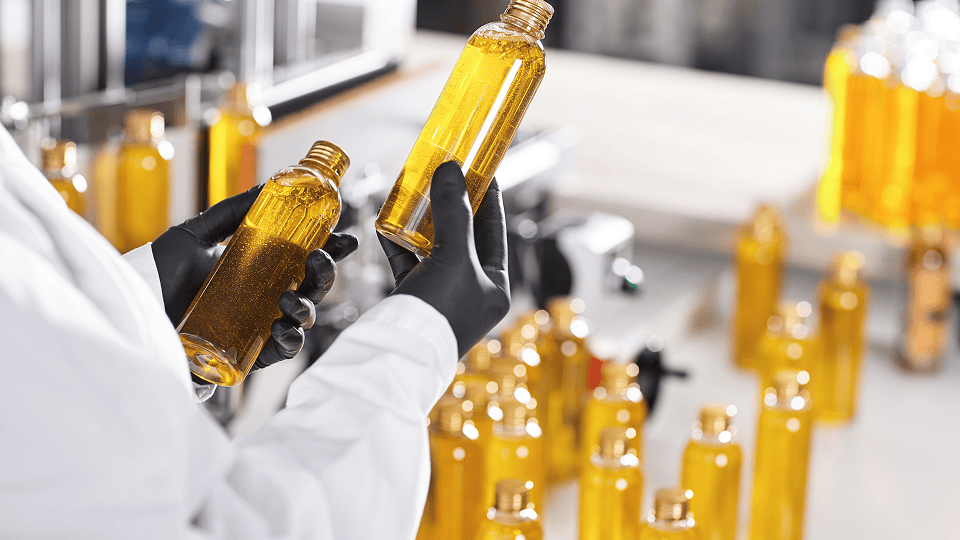
Palm oil has significant benefits and for this reason it is considered one of the most widely used oils in the world. Palm oil has a high smoke point, which makes it suitable for long-term cooking and frying. Palm oil is very economical in terms of economy, and this has made it very popular in developing countries as well as in large global industries. Palm oil does not contain trans fat, making it a healthier choice than some processed and solid oils. Due to the presence of antioxidants such as vitamin E and carotenoids, palm oil can play a protective role for the body and prevent cell damage. Palm oil also remains stable in high temperature environments and produces fewer harmful substances. Of course, palm oil also has disadvantages, and these disadvantages are usually related to excessive consumption or irresponsible production. Palm oil contains more saturated fat than some other vegetable oils, and consuming too much of it may increase the risk of heart disease. Palm oil can cause weight gain in case of excessive consumption, and this shows the importance of maintaining a balance in consumption. Palm oil also has environmental challenges, as extensive palm cultivation may cause deforestation and loss of natural habitats. If palm oil is produced sustainably, it can play a positive role in the global economy, but this issue requires proper resource management. Palm oil should be consumed in a limited and balanced way in order to maintain its benefits and reduce possible disadvantages. Despite all the advantages and challenges, palm oil still has an important place in global industries and is expected to remain one of the main sources of vegetable oil in the coming years.
FAQs about palm oil and its uses
What is palm oil?
Palm oil is an edible vegetable oil that is extracted from the fruit of the oil palm tree. This oil is widely used in food and non-food industries due to its high stability, favorable color and wide applications.
Is palm oil used in the food industry?
Palm oil is used in many food industries such as biscuits, snacks, sweets, margarine and bakery products. This oil is a popular choice for manufacturers due to its heat resistance and creamy texture.
What is the main advantage of palm oil compared to other oils?
The main advantage of palm oil is its high thermal stability, reasonable cost and ability to be used in a wide range of products. These characteristics have made palm oil one of the most widely used oils in the world.
Is palm oil harmful to health?
Palm oil, like other edible oils, can be part of the diet if used in moderation. But consuming too much saturated fat may not be good for your health. Therefore, balance in consumption is important.
In what non-food industries is palm oil used?
Palm oil is used in non-food industries such as soap production, cosmetics, candle making, detergents and even some industrial products. The structure of this oil allows the production of a wide range of products.
Is the production of palm oil associated with environmental problems?
Global production of palm oil has been criticized in some areas for deforestation. But many reputable producers use sustainable methods with environmental standards to reduce negative impacts.
Is palm oil safe in cosmetic products?
Palm oil and its derivatives are widely used in cosmetic products and are usually certified by international standard bodies. This oil is suitable for the skin due to its softening properties and high stability.
